
It is easy to say bee venom is not all bad when you have not been stung by a bee lately. As we come out of colder months, bee activity will increase, and even though these essential pollinators are not typically aggressive, the increased activity naturally increases the chances of being stung. Those who suffer from severe bee allergies must take extreme caution; others who get stung will experience some discomfort and itching, but bee venom can be used for good. Bee stings are part of the natural order of things for beekeepers, and even they don’t know it. The bee stinger stays in the skin and must be removed, and often leaves the skin swollen, itchy, and even painful. Although bee venom may not seem to offer an upside, it has been used for centuries for therapeutic purposes. Many diseases and skin conditions can be successfully treated with bee venom due to its well-known anti-inflammatory and antioxidant properties.
When the Bee Stings
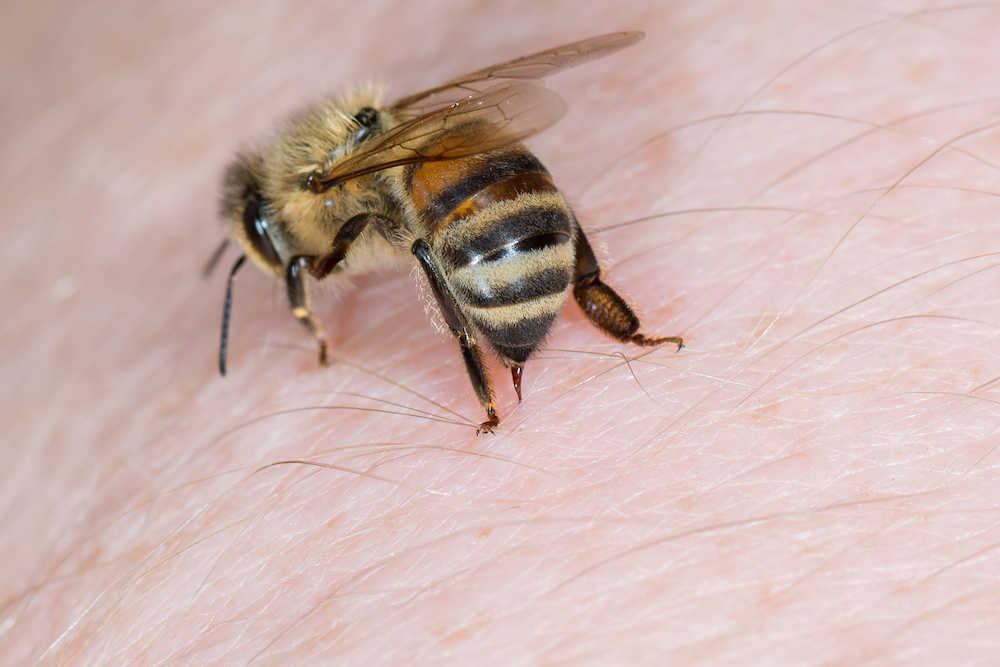
When a bee stings, often triggered by something they consider a threat, there is a colorless liquid that comes off the stinger. The venom from bees is melittin, which has antiviral and antibacterial properties. Although it seems contradictory for something that causes your skin to swell would have anti-inflammatory properties, bee venom is not all bad. Using bee venom in medicine is not as well-researched as other chemical compounds, but its use over thousands of years suggests it is effective in certain ailments. The medical use of bee venom is called apitherapy, and it also includes other bee products, such as honey, propolis, and royal jelly. Dating back to 460 BC, evidence of bee products in treating medical and skin conditions can be found.
Bee venom has been used by actually stinging patients, and topical and oral uses of bee products have been employed. Injectable bee venom is still waiting for approval from the FDA in the United States.
Bee Venom Used for Good
The anti-inflammatory properties found in bee venom have been shown to reduce inflammation, which seems contradictory, but this effect depends heavily on the amount per dose and the number of doses. In small, controlled amounts, the same properties that cause skin to become inflamed and itchy can produce anti-inflammatory effects in people. Most recently, research is underway using bee venom to treat cancer patients. Bee venom stimulates cellular immune responses that have been shown to inhibit tumor growth. Bee Venom Therapy (BVT) has been used in traditional medicine since the 1800s. Other uses of bee venom today include treatments for arthritis and Parkinson's disease. Although these treatments are currently only in clinical trials, many have found relief using them.
Another seemingly contradictory use of bee venom in medicine is to help with allergies. Bee venom is the cause of much fear in the United States, as those who suffer from extreme bee allergies can be hospitalized or worse from a single bee sting. However, it is important to represent both sides, and the use of bee venom to treat extreme allergies has shown great success. Bee venom, when injected into the skin by a healthcare professional, can provide relief for some patients with severe allergies.
Effective Bee Venom in Medicine
The most effective use of BVT in medicine is through injection. Oral treatments are only effective while they are in your system; once they are digested, they are rendered useless. Typical treatments can be effective in creams and ointments, but injections have shown the most effective in traditional medicine today.
The same colorless liquid that causes your skin to become irritated, inflamed, and itchy after being stung by a bee can be used to treat several conditions and diseases. Without FDA approval in the United States, BVT will be limited and should only be performed by a trained medical professional. Many facing Parkinson's and cancer choose alternative treatments, and BVT is one of them.

Get help with your beehive or bee swarm removal! Call Today 760-224-3040 Or 951-265-8292!
Enjoying the Fruits of Beekeeping
Some beekeepers claim they live longer because they get stung occasionally, and the venom may help them live longer and healthier lives. Beekeepers of honeybees enjoy the literal fruits of the bees in their honey, but also may receive a side benefit of the occasional bee sting. Although not proven, the use of bee venom throughout history does indicate there is something worth exploring.
As the protection of bees and the pollination process hangs in the balance, the treatment of bees must be considered whenever interacting with them. Whether a hidden hive in the structure of a home, a swarm dampening outdoor activities, or unwanted bee activity in your area, working with a professionally trained and experienced humane live bee removal company is essential. Although not everyone loves bees, they are responsible for many of the things we put on our tables.
If you have any bee concerns or need a professional bee removal company to visit your home or business for a free inspection, contact D-Tek for full-service bee treatment!