
As blooms and plants drop their dead leaves, consider leaving them for bees to create a high-quality habitat. During the winter, which is still occurring in many states, insects hide or are in different stages, which is why you rarely see bees or other bugs during the cold winter months. However, as things warm up, or if you live in Southern California, plants are beginning to wake up, and gardeners are getting their gloves and tools ready. Keep in mind that leaving some ground bare and uncovered, and fallen branches and leaves, will create a natural ecosystem that can be used by bees and other beneficial insects and help form organic pest control in your outdoor space. Although many have moved to dry landscaping instead of lush, green-trimmed yards, allowing some organic debris to fall to the ground allows bugs that kill pests to nest and help with pest control. Offering good bugs and pollinators a year-round habitat is a win-win for everyone.
How Can Pests Help with Pests
Pest control companies that use toxic pesticides to make homes and outdoor spaces pest-free are not concerned about the environmental impacts of their treatments. What homeowners should know is that using toxic pesticides, whether from a home improvement store or through a pest control company that doesn’t use eco-friendly products, can affect every insect and bug and can carry over to pets and people, too. Spraying pesticides can cover pollen and have a terrible effect on entire colonies. Pesticides are one of the top reasons for bee decline, and bees are not the only pollinators affected by this careless approach to pest control.
Beneficial Pests
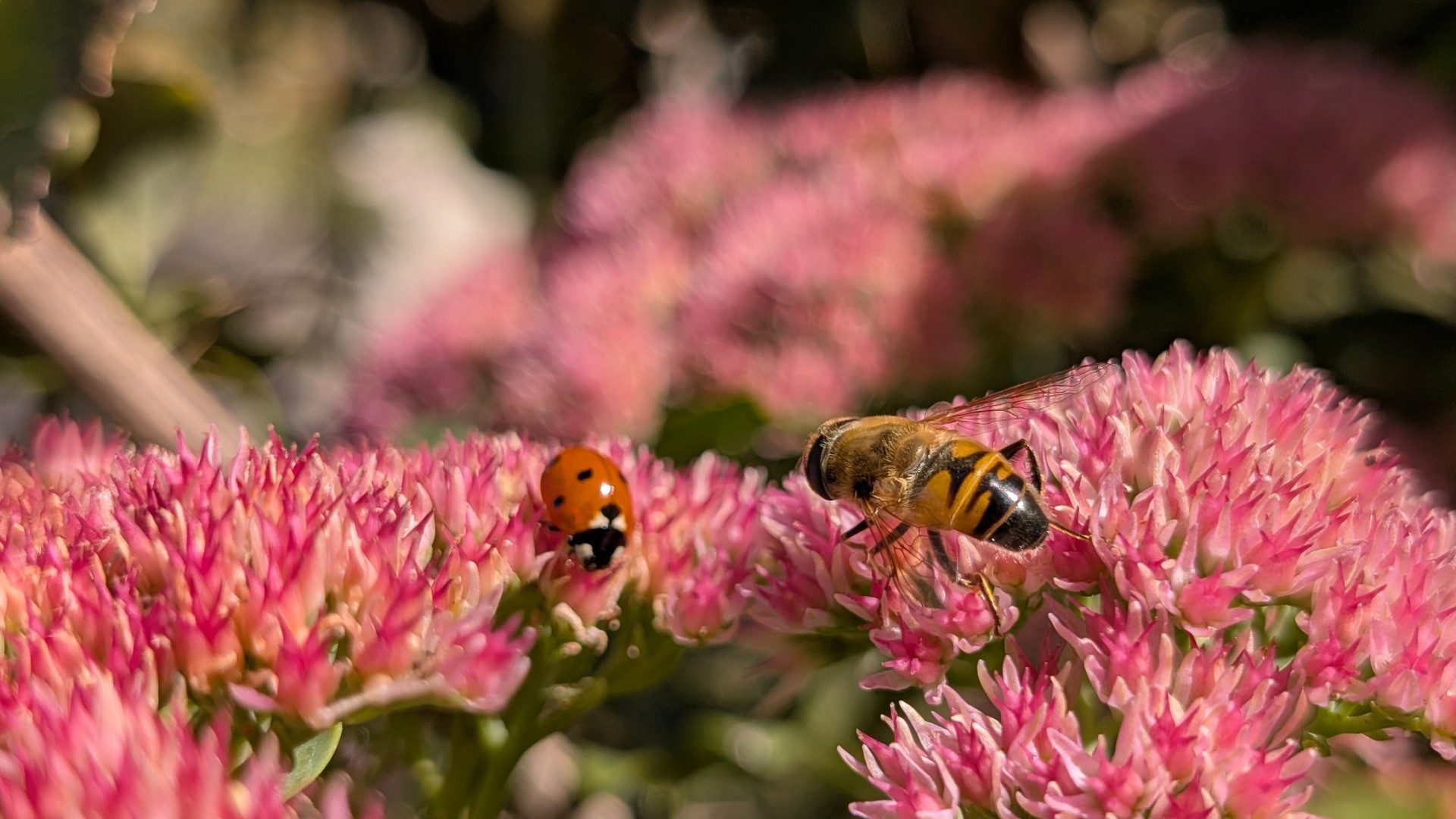
As the name states, the assassin bugs are predatory insects that prey on beetles that can destroy trees. Additionally, ladybugs prey on aphids, mites, and mealybugs that can destroy plants and also infect bee hives. Mites are another cause of bee population decline and a nightmare for beekeepers, so a one-size-fits-all pest control approach is not the best solution. It may take more time and thought, but choosing what to leave to allow beneficial bugs to nest, as well as leaving some spaces unmanicured, will come full circle as plants and flowers are diversified and your outdoor space becomes a haven of natural growth and happy, healthy pollinators.
Keeping the Bad Pests Away
Pesticide-free pest control is multifaceted. There must be diligent effort to notice changes in your outdoor space, keep what is beneficial, and get rid of anything that may attract pests that can destroy your garden and the local habitat. Some things that should be done include removing diseased or infected branches, plants, and leaves. Remove any fallen fruit or items that can attract pests as food rather than as nesting sites. Mulching fallen leaves and plant debris can be spread around and is an excellent source for good bugs.
Bugs, insects, and pollinators vary by region, so knowing your local good and bad pests raises awareness of what is being targeted in pest control. If you have good bugs around, their predatory nature keeps your bad bugs in check. Eventually, gardeners recognize the good pests and the bad ones. Spending time in your garden and pausing to observe bees and other pollinators in your area is not only therapeutic but also better for the environment. There is no need to kill all flying and crawling things with a mindless attempt using a highly toxic spray or powder.
Replacing Invasive with Native Plants
It is surprising how many invasive plant species are used in landscaping. Invasive means just that. These plants invade and take over, stealing nutrients from native plant species. Palm and eucalyptus trees, even though Californians love them, are not native. These large trees steal nutrients, making it difficult for native plants and trees to grow. Knowledge of native species and replacing invasive plants with native ones when they die is the best thing for the local ecosystem.

Get help with your beehive or bee swarm removal! Call Today 760-224-3040 Or 951-265-8292!
Bees Love Native Flora
Bees do not travel too far to forage, so providing diverse native flora can help keep local bees healthy and thriving. The more diverse your landscape and garden choices, the more bees can provide for their baby bees back at the hive, or in their ground nest. The key is awareness and thoughtful decision-making, keeping in mind beneficial pests and essential pollinators. If everyone does their part, the local ecosystem has a fighting chance. If you want to speak with a seasoned beekeeper or need assistance, contact Dave at D-Tek today at 760-224-3040. D-Tek is a humane and live bee removal company that offers safe removal, rehoming, and repair services throughout Southern California.
D-Tek Live Bee Removal 760-224-3040!